Address
304 North Cardinal St.
Dorchester Center, MA 02124
Work Hours
Monday to Friday: 7AM - 7PM
Weekend: 10AM - 5PM

Address
304 North Cardinal St.
Dorchester Center, MA 02124
Work Hours
Monday to Friday: 7AM - 7PM
Weekend: 10AM - 5PM

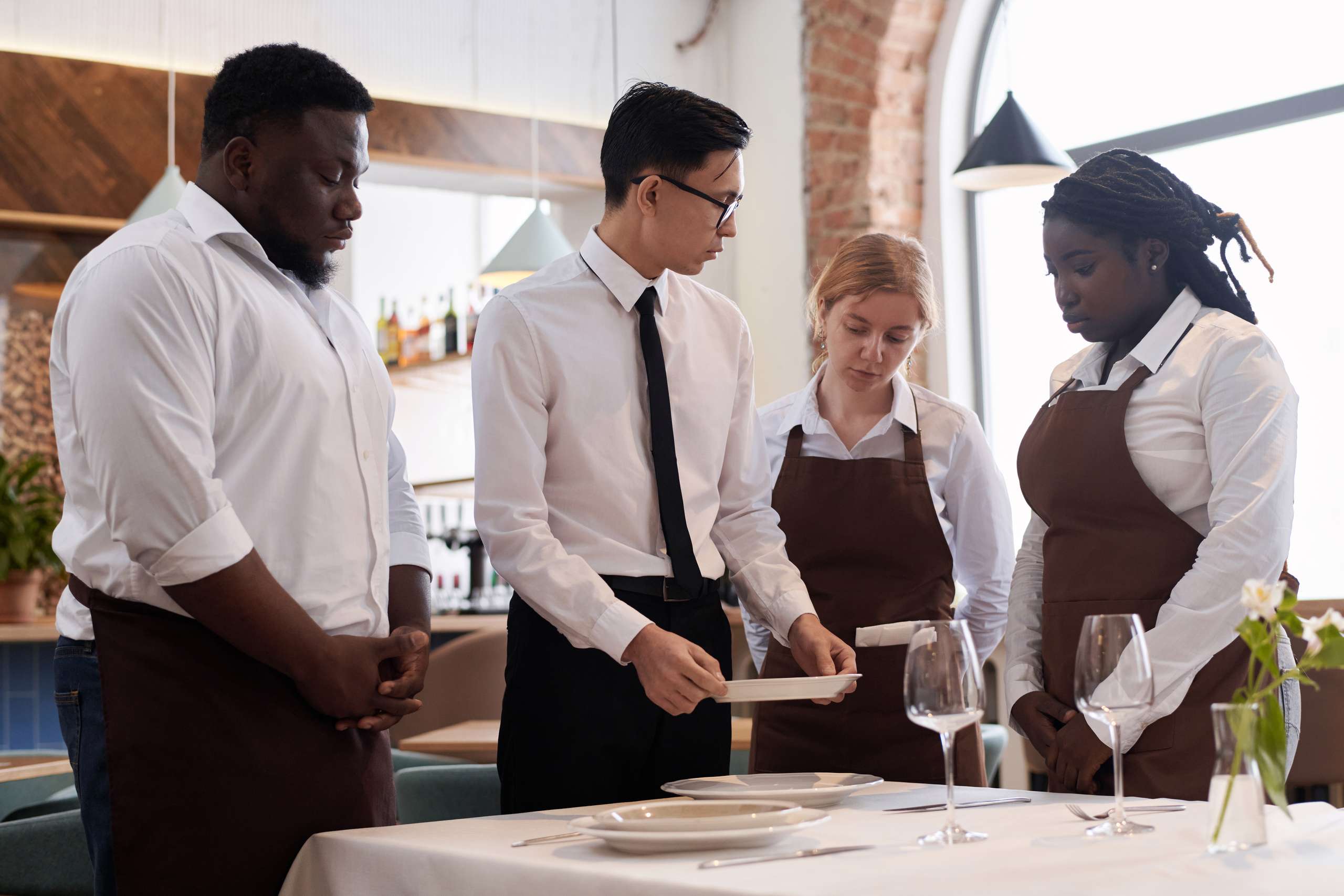
When we think of restaurant service, we think of verbs: seating, hosting, taking orders, serving, clearing. But there’s another, less tangible action that facilitates all these steps: observing. Through observation, service can be tailored to the tenor of the dining room. A table says a lot, even when it isn’t speaking, perhaps in the level of conversation, the way the meal is being consumed, or how long it’s taking to enjoy a course. If a server picks up on these cues, they can give the table the attention it needs without having to be asked for it. The very act of observing the dining room beforehand helps servers gauge how to approach each table.
A slow, mellow night will call for a different type of service than a boisterous celebration. By observing the general atmosphere of the dining room, a server can calibrate the type of service needed to balance it out. This doesn’t mean rushing a table to turn a table; rather, it means anticipating the table’s needs to not disrupt the rhythm of the meal. By the same token, a server can identify a table’s unspoken needs. A glass inching its way toward the edge of the table may indicate a desire for a refill; a folded up menu laid to the side signifies the table is ready to order. These moves are easily overlooked, but are actually a language all their own within the dining room, and when a server responds to them, the table feels taken care of and observed. Another way in which observing a table aids a server is in coordinating the dining room.
Each table has its own rhythm, and when there are several tables, it’s the server’s job to observe which tables are on which course and stagger them appropriately. Timing is everything, and if a server is able to observe a table moving onto the next course, they can time it so that the next table is getting to that point around the same time. It’s all about flow; instead of isolated tables being served in a vacuum, observing each table allows the server to create a harmonious environment in the dining room. At its core, observing a table helps make hospitality a form of emotional labor.
By paying attention to more than just the tasks at hand, by paying attention to the emotional state and timing of each table, a server can provide a comfortable, stress-free experience. While this may not be readily apparent to a diner, the value of being observed, and provided for because of it, is palpable. It’s a way to recognize a table without being asked, and that feeling of being taken care of is what makes a truly great restaurant experience.